


Waiting for a reply can feel uncomfortable, especially when you’ve sent an important email and don’t know if the other person has seen it. When someone finally responds, many people search for the right way to say thank you for getting back to me without sounding awkward, too formal, or too casual. It’s a small phrase, but using it the wrong way can change the tone of the whole conversation.
In this blog post, you’ll learn how to use thanks for getting back to me naturally and professionally in different situations. We’ll share clear explanations, practical examples, and simple alternatives you can use in emails, messages, and work communication. By the end, you’ll feel confident replying the right way every time.
We Will Get Back to You
- Thanks for Getting Back to Me shows appreciation while reassuring the reader that their message truly matters.
- It reflects professionalism by letting someone know their request is being reviewed carefully.
- This phrase builds trust by promising a timely and thoughtful response.
- It keeps communication open without rushing an incomplete answer.
- A polite way to acknowledge queries while gathering the right information.
- It reduces frustration by confirming the message was received.
- Commonly used in customer support to show care and accountability.
- It balances honesty and courtesy in business communication.
- A respectful way to manage expectations without sounding dismissive.
- It creates a positive impression even before the final response arrives.
I Will Get Back to You
- This phrase signals responsibility and a willingness to follow up properly.
- Thanks, for Getting Back to Me fits naturally here to keep the tone warm and professional.
- It helps buy time while still showing engagement and respect.
- A clear promise that the conversation will continue soon.
- It sounds polite, calm, and confident in workplace emails.
- Useful when answers require confirmation or research.
- It avoids saying “I don’t know” while staying honest.
- A trusted phrase in professional follow-ups and updates.
- It reassures the reader their concern is not ignored.
- A simple way to maintain smooth communication flow.
Thank You Response
- A thoughtful thank-you response strengthens professional relationships.
- It shows you value the other person’s time and effort.
- Thanks for Getting Back to Me adds warmth and appreciation to any reply.
- It keeps conversations polite and collaborative.
- A well-worded response reflects good email etiquette.
- It helps close communication loops gracefully.
- Often used after receiving updates or clarifications.
- It reinforces mutual respect in business communication.
- A positive response encourages future cooperation.
- It leaves a lasting professional impression.
Thanks for Reaching Out
- This phrase warmly acknowledges someone who initiated contact.
- It creates an inviting and respectful tone instantly.
- Often used in customer service and professional emails.
- It reassures the sender their message is welcomed.
- Thanks ,for Getting Back to Me pairs well to show mutual appreciation.
- It keeps communication friendly yet professional.
- Ideal for first replies and ongoing conversations.
- It shows openness to discussion and support.
- A polite way to start meaningful dialogue.
- It builds rapport from the very first line.
Thank You for Reaching Out
- Thanks for Getting Back to Me works perfectly here to create a balanced, appreciative tone.
- This phrase confirms the message has been received clearly.
- It sounds professional and courteous in any setting.
- Commonly used in formal emails and support replies.
- It sets a positive mood for the conversation ahead.
- Shows gratitude while keeping things concise.
- It helps establish trust early in communication.
- A respectful way to acknowledge inquiries.
- It reflects strong communication skills.
- Ideal for business, recruitment, and client emails.
You also like to visit : 150 Top Thanks and Praise Lyrics to Express Your Gratitude
Thank You for Contacting Me
- Thanks, for Getting Back to Me complements this phrase by reinforcing appreciation.
- It politely recognizes the effort someone made to reach out.
- Often used in professional and formal responses.
- It creates clarity and reassurance instantly.
- A calm and respectful way to start a reply.
- It helps maintain a professional tone throughout the email.
- Common in customer service and business communication.
- It signals readiness to assist or respond.
- Encourages positive and open interaction.
- A simple phrase that builds trust and courtesy.
Appreciate Your Quick Response
- Thanks ,for Getting Back to Me expresses gratitude while appreciating the speed of your reply.
- It highlights respect for someone who values prompt communication.
- This phrase keeps the tone polite, positive, and professional.
- It shows you noticed and valued the quick turnaround.
- A warm way to acknowledge timely replies in emails.
- It strengthens trust and mutual respect instantly.
- Perfect for business and professional follow-ups.
- It reflects good manners and strong communication skills.
- A simple line that encourages continued responsiveness.
- It leaves a thoughtful and appreciative impression.
Thank You for Reaching Out to Me
- This phrase warmly acknowledges someone’s initiative to connect.
- Thanks for Getting Back to Me fits naturally to show mutual appreciation.
- It creates an open and welcoming tone in communication.
- Often used in professional and customer service replies.
- It reassures the sender their message is valued.
- A polite way to begin meaningful conversations.
- It reflects professionalism and approachability.
- Ideal for first responses and follow-ups alike.
- It encourages open and positive dialogue.
- A respectful start to any reply.
Thank You for Getting Back to Me
- This phrase directly shows gratitude for a response.
- It keeps communication courteous and appreciative.
- Thanks, for Getting Back to Me reinforces respect and professionalism.
- It works well in both formal and casual emails.
- A clear way to acknowledge someone’s reply.
- It maintains a friendly yet professional tone.
- Often used after waiting for updates.
- It strengthens rapport and goodwill.
- Simple wording with genuine appreciation.
- A reliable phrase for everyday communication.
Thank You for Your Timely Response
- This phrase values punctuality and professionalism.
- It acknowledges the effort behind quick replies.
- Commonly used in business and formal emails.
- It conveys respect without sounding overly formal.
- Thanks for Getting Back to Me blends well to add warmth.
- It reassures the sender their response mattered.
- Ideal for follow-ups and confirmations.
- It promotes positive communication habits.
- A polished way to express appreciation.
- Leaves a professional and respectful impression.
Thank You for Thinking of Me Meaning
- Thanks, for Getting Back to Me adds appreciation to feeling remembered or considered.
- This phrase expresses gratitude for being valued.
- It shows emotional warmth and recognition.
- Often used in personal and professional contexts.
- It strengthens emotional connection and respect.
- A thoughtful response to kind gestures.
- It reflects sincerity and appreciation.
- Useful in messages, notes, and emails.
- It acknowledges care beyond obligation.
- Leaves a heartfelt and positive tone.
Thanks for Getting Back to Me in Formal Emails
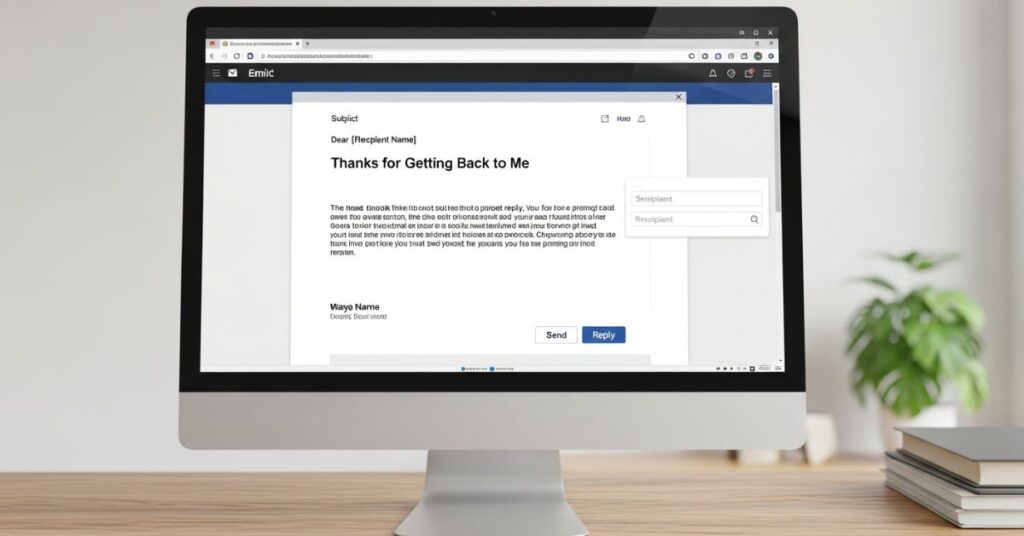
- Thanks, for Getting Back to Me sets a polite and professional tone instantly.
- It acknowledges responses respectfully in business settings.
- Ideal for workplace and corporate communication.
- It balances professionalism with warmth.
- A commonly accepted formal email phrase.
- It shows appreciation without sounding casual.
- Useful after meetings, updates, or approvals.
- It reflects strong email etiquette.
- Encourages timely and respectful replies.
- A dependable phrase for formal correspondence.
Thanks for Getting Back to Me for Quick Responses
- Thanks ,for Getting Back to Me shows appreciation for prompt replies and respect for someone’s time.
- Acknowledging fast responses encourages ongoing efficient communication.
- Expresses gratitude without sounding overly formal or stiff.
- Highlights attentiveness in both personal and professional emails.
- Reinforces positive communication habits and responsiveness.
- Creates a sense of trust and reliability between sender and receiver.
- Makes follow-up conversations feel smooth and appreciated.
- Shows professionalism while keeping the tone friendly.
- Encourages others to continue replying quickly in future interactions.
- Leaves a thoughtful and respectful impression in any conversation.
How to Politely Say Thanks for Getting Back to Me
- Use warm, professional phrases to maintain courtesy in replies.
- Thanks ,for Getting Back to Me is a natural, polite way to show appreciation.
- Pair it with words like “I appreciate your time” for added sincerity.
- Helps soften formal emails while remaining respectful.
- Perfect for both casual work emails and client communication.
- Avoid overly casual phrases to keep professionalism intact.
- Short, clear sentences make your thanks feel genuine.
- Acknowledges effort without making the recipient feel pressured.
- Encourages continued engagement and good rapport.
- Simple phrasing leaves a lasting positive impression.
Thanks for Getting Back to Me for Delayed Replies
- Apologize for any delay while acknowledging the reply graciously.
- Use friendly language to maintain warmth despite a late response.
- Thanks ,for Getting Back to Me fits naturally to show appreciation even after a delay.
- Combines courtesy and accountability in professional communication.
- Keeps the tone understanding and patient.
- Reinforces respect for the sender’s time.
- Helps maintain smooth follow-up despite delayed messages.
- Adds a human touch to formal emails.
- Encourages ongoing positive dialogue.
- Prevents misunderstandings by expressing gratitude clearly.
Is “Thanks for Getting Back to Me” Always Appropriate?

- It works well in professional emails to show appreciation.
- Can be used in casual communication with colleagues or clients.
- Avoid in overly informal contexts where tone may feel stiff.
- Works best when a reply has required effort or detail.
- Thanks, for Getting Back to Me ensures gratitude without being pushy.
- Consider timing and relationship when choosing your phrasing.
- Sometimes a more casual “appreciate your reply” works better.
- Helps maintain polite boundaries in workplace communication.
- Avoid repetition to prevent it from sounding mechanical.
- Adds clarity and warmth to any response when used appropriately.
Thanks for Getting Back to Me in Business Conversations
- Thanks, for Getting Back to Me immediately shows professionalism and gratitude.
- Useful in follow-ups, client emails, and internal updates.
- Keeps conversations polite and collaborative.
- Demonstrates respect for the other person’s input and time.
- Enhances clarity and professionalism in business dialogue.
- Encourages smooth, ongoing communication.
- Reflects attentiveness and strong business etiquette.
- Can be paired with project or meeting context for precision.
- Leaves a positive impression in both internal and external emails.
- Helps build long-term professional relationships.
Thanks for Getting Back to Me: Professional Email Examples
- Thanks, for Getting Back to Me sets a courteous tone at the start of professional emails.
- Works in formal settings like client updates or HR communications.
- Can be paired with “I appreciate your time” to enhance sincerity.
- Ideal for acknowledging reports, approvals, or completed tasks.
- Shows responsiveness and maintains professionalism.
- Short phrases help avoid overly wordy emails.
- Reflects efficiency and clarity in communication.
- Adds a respectful touch even in automated or routine replies.
- Leaves the recipient feeling valued and respected.
- Encourages consistent, thoughtful responses in professional interactions.
You also like to visit : 180 How to Say Received With Thanks in a Formal Way
FAQ’s
How do I say “get back to me” professionally?
You can say “Please respond at your earliest convenience” or “Kindly follow up with me.”
How do you say thanks for getting back quickly?
You can say “Thank you for your prompt response” or “I appreciate your quick reply.”
What’s another word for getting back to me?
Alternatives include “respond,” “reply,” “follow up,” or “reach out.”
How to professionally reply to “thank you”?
You can say “You’re welcome,” “Happy to help,” or “My pleasure.”
Conclusion
In today’s fast-paced world, clear and professional communication is more important than ever. Knowing how to respond politely and express gratitude makes a big difference in building strong relationships. Whether it’s a colleague, client, or friend, taking the time to acknowledge their message shows respect and thoughtfulness.
By using simple and effective phrases, you can maintain professionalism while staying warm and approachable. Thanks for Getting Back to Me is a perfect way to convey appreciation and keep conversations positive, meaningful, and engaging.
